
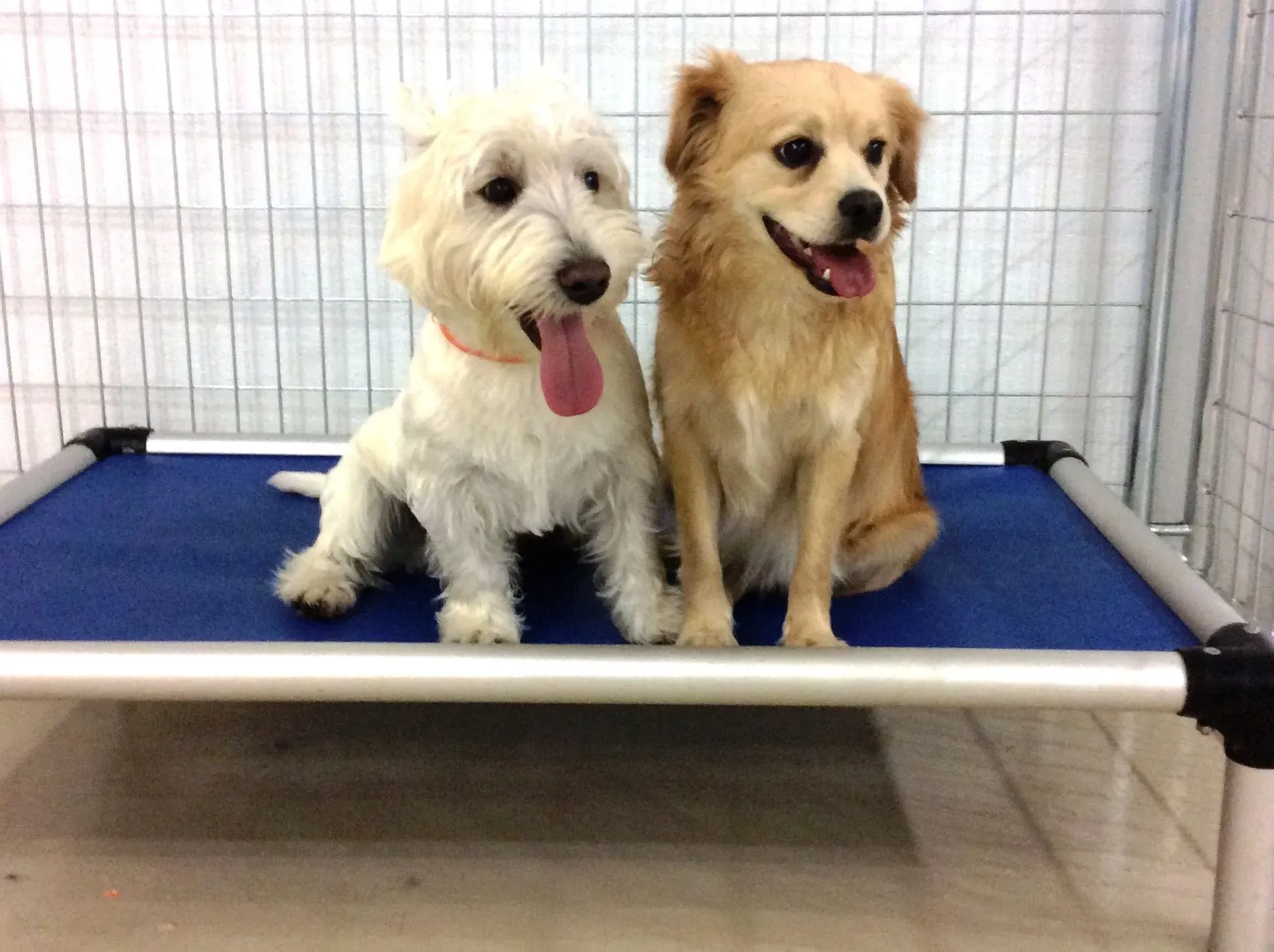
Not every dog learns the same way. Some dogs respond well to basic obedience classes, while others seem stuck no matter how many times commands are repeated. These dogs may ignore cues, shut down, or show stress during training. This does not mean they are stubborn or untrainable. It simply means they need a different approach. This is where Dog Board and Training Chicago programs can be especially helpful, offering structured strategies designed for dogs who need more than traditional methods.
Why Traditional Training Does Not Work for Every Dog
Traditional training often relies on short weekly sessions and general techniques meant for a wide range of dogs. While this works for many, some dogs struggle due to anxiety, fear, high energy, past experiences, or lack of focus. These dogs may become overwhelmed or confused in group settings. Dog Board and Training Chicago recognizes that learning problems are often about approach, not ability.
Understanding the Real Reasons Dogs Stop Responding
Dogs may stop responding when training feels unclear or stressful. Some dogs feel pressured and shut down. Others are too distracted to focus. In some cases, the dog does not understand how to apply commands outside the training space. Board and training programs focus on identifying these root causes instead of repeating the same methods that are not working.
What Makes Dog Board and Training Chicago Different
Board and training programs provide dogs with daily, consistent training in a controlled environment. Instead of one-hour sessions once a week, dogs practice skills throughout the day. This consistency helps trainers adjust techniques quickly and respond to the dog’s needs in real time.
Using Structure to Create Better Learning
Dogs who struggle with traditional training often benefit from clear structure. Board and training programs follow predictable daily routines that include training, rest, play, and quiet time. This structure helps dogs feel secure and ready to learn. When stress is reduced, learning becomes easier.
Breaking Training Into Small, Clear Steps
Some dogs struggle because lessons move too fast. Trainers in Dog Board and Training Chicago programs break skills into smaller steps. Dogs are guided through each step until they succeed before moving forward. This builds confidence and prevents frustration.
Adjusting Methods Based on the Dog’s Personality
Every dog has a different learning style. Some dogs respond better to movement-based learning, while others need calm repetition. Board and training allows trainers to test and adjust methods until they find what works best. This personalized approach is difficult to achieve in standard classes.
Reducing Overstimulation During Training
Dogs who fail in traditional settings are often overstimulated. Too many dogs, noises, or distractions can shut learning down. Board and training environments are carefully managed to control stimulation. Distractions are introduced slowly once the dog can focus.
Teaching Dogs How to Stay Calm Before Obedience
Many dogs cannot learn commands because they are emotionally overwhelmed. Board and training focuses first on calm behavior. Dogs learn how to settle, wait, and regulate energy. Once emotional balance improves, obedience becomes much easier.
Using Daily Repetition to Build Habits
Learning happens through repetition. Board and training programs allow dogs to practice skills multiple times a day. This repetition helps behaviors turn into habits. Dogs who struggled before often show progress simply because learning is consistent and clear.
Helping Dogs Generalize Skills Everywhere
Some dogs listen at home but ignore commands elsewhere. Board and training focuses on teaching dogs that rules apply in different places. Dogs practice skills in various environments so they learn to respond reliably, not just in one location.
Supporting Dogs With Anxiety or Fear
Fearful dogs often shut down during traditional training. Board and training allows trainers to work at the dog’s pace. Fear is addressed gently through confidence-building exercises instead of pressure. Over time, dogs learn that training is safe and predictable.
Improving Focus Through Mental Engagement
Dogs who seem “stubborn” are often bored or mentally overwhelmed. Board and training includes focus exercises and problem-solving tasks that keep dogs engaged. Mental work helps dogs stay present and responsive.
Preparing Owners for Life After Training
Training does not end when the dog goes home. Owners are taught how to maintain progress through clear routines and reinforcement. For continued support, many families choose private training for dogs after board and training. This helps apply learned skills directly to home life.
Preventing Training Burnout in Dogs
Repeating the same methods over and over can lead to burnout. Board and training uses varied exercises and pacing to keep dogs motivated. This fresh approach often unlocks progress in dogs who were previously stuck.
When Board and Training Is the Right Choice
Board and training is ideal for dogs who have failed multiple training attempts, show high stress, or need consistent structure. It provides professional oversight and daily adjustment that traditional programs cannot always offer.
Long-Term Results for Challenging Dogs
Dogs who complete Dog Board and Training Chicago programs often show improved focus, confidence, and willingness to learn. They may not become perfect overnight, but they gain tools that make ongoing training successful.
Strengthening the Dog and Owner Relationship
As dogs learn more effectively, frustration decreases for owners too. Communication improves, trust grows, and training becomes a positive experience instead of a struggle.
Conclusion
Dogs who do not respond to traditional training are not broken—they simply need a different path. Dog Board and Training Chicago programs offer structure, consistency, and customized strategies that help these dogs succeed. By focusing on calm behavior, clear communication, and daily practice, board and training can unlock progress where other methods failed. For owners seeking thoughtful, effective solutions for challenging dogs, Prestige Dog Training provides professional programs designed to meet dogs where they are and guide them forward with confidence.